

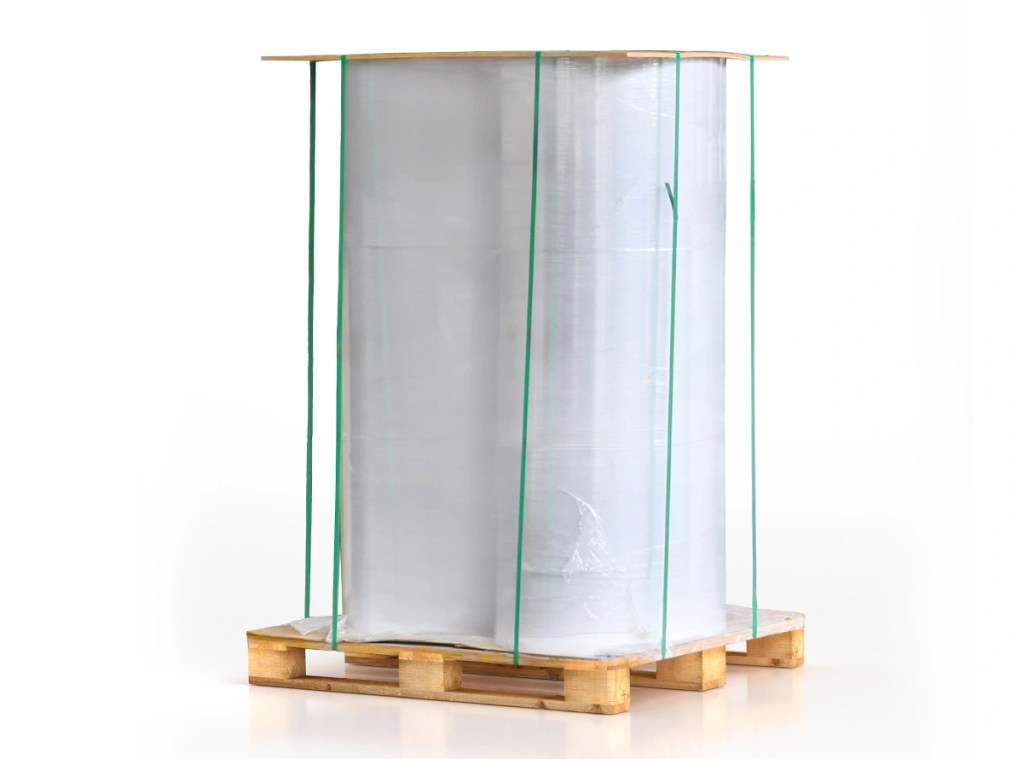
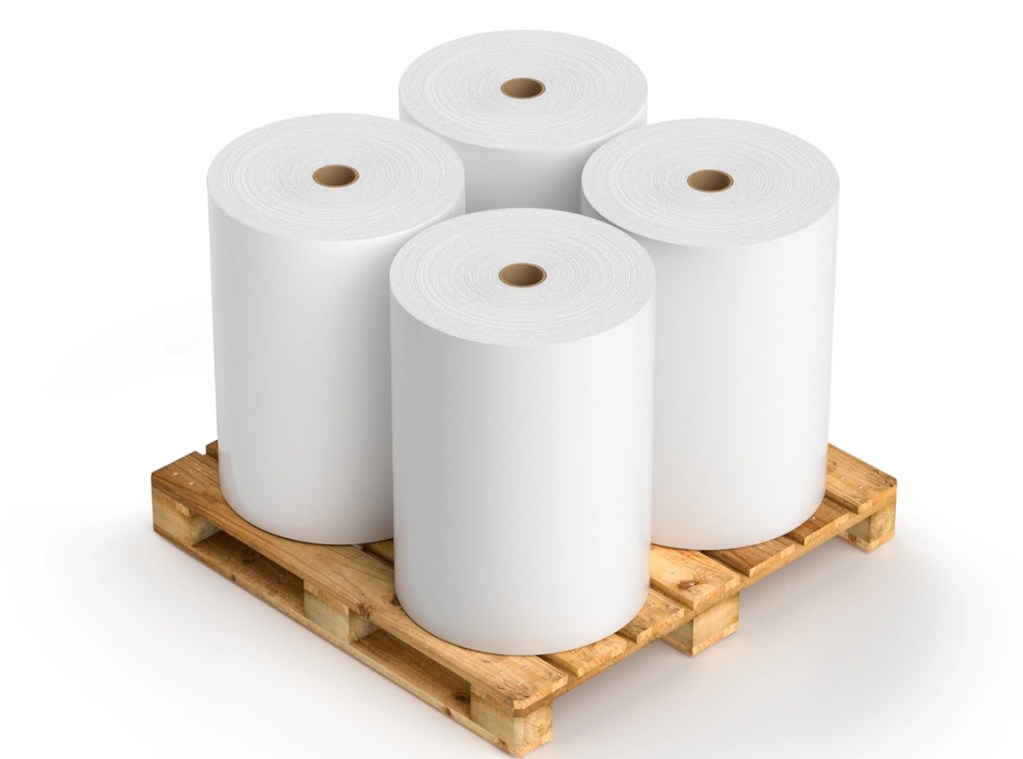

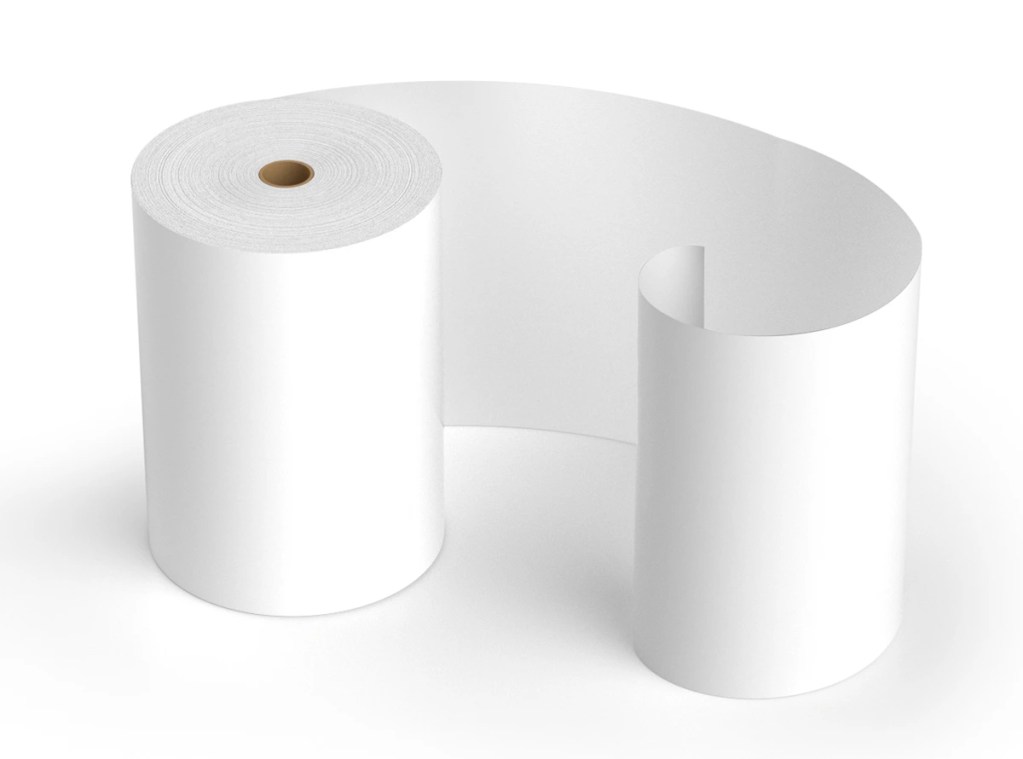
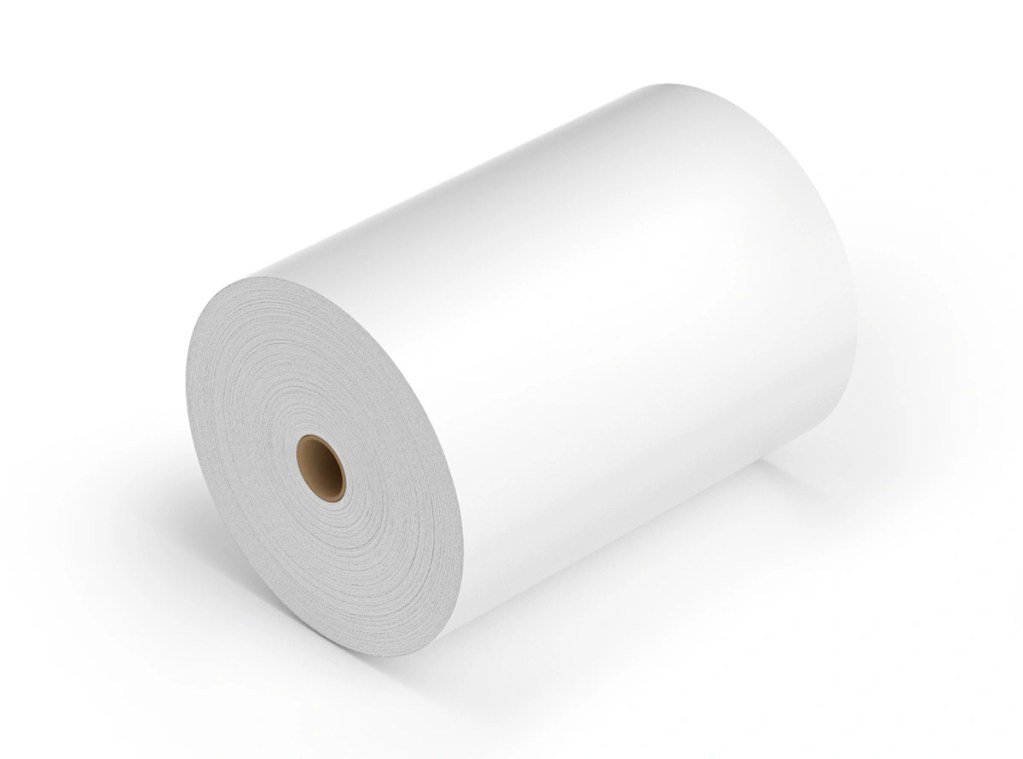
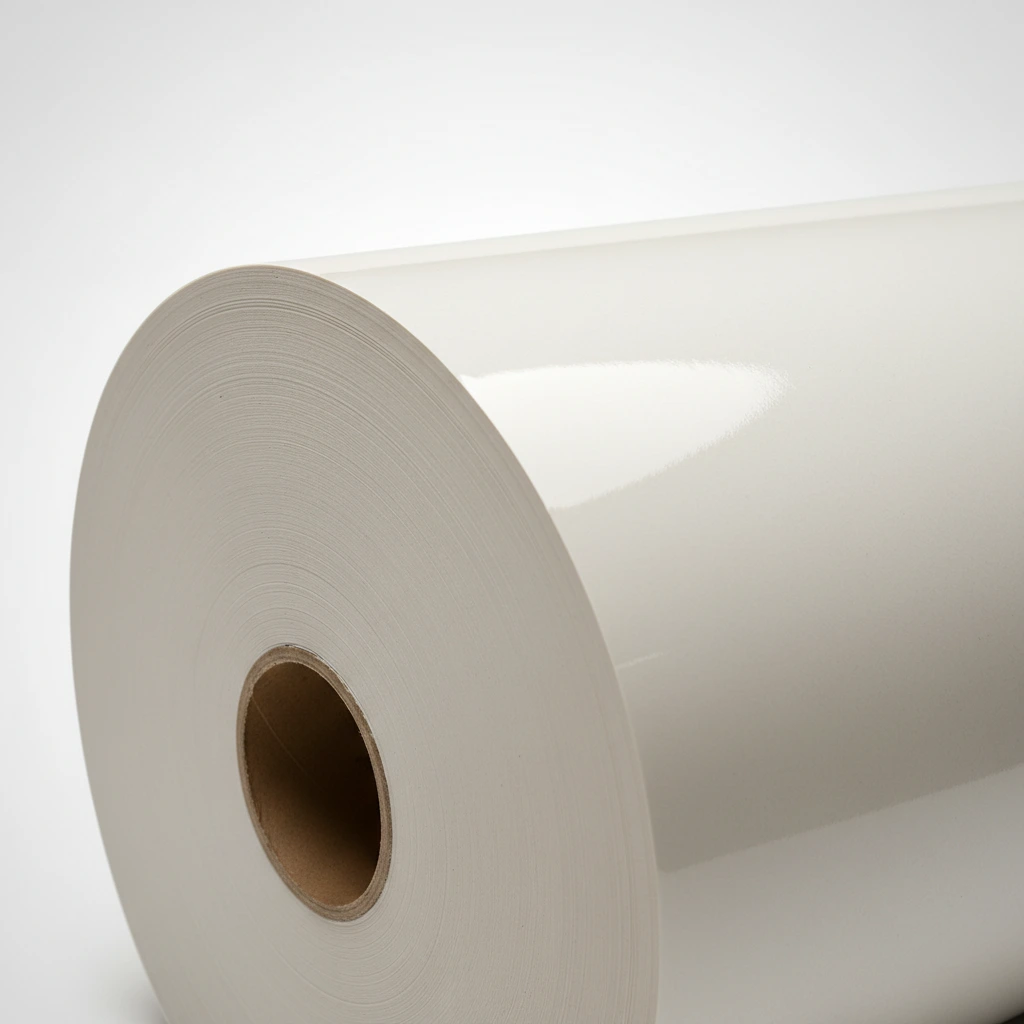
Semi-gloss Paper Jumbo Roll - Balanced gloss, ideal for commercial printing
Coated paper is a premium printing paper made by applying a white coating to the base paper surface and then calendering it.
This paper boasts a smooth surface, excellent gloss and color reproduction, and produces exquisite prints, making it the preferred material for high-quality printed products.
If you are unsure which material combination or size is most suitable, please contact us and we will provide free sample testing.
Technical Dashboard
Technical Dashboard | Unit | Standard Value/Requirement |
|---|---|---|
Basis Weight | g/m² | 80±3 |
Caliper | m² | 70±4 |
Brightness | % | 92±2 |
Gloss | % | 70±5 |
Smoothness (PPS) | m | 1.2±0.3 |
Opacity | % | > 88 |
Moisture Content | % | 6.0±1.0 |
Tensile Strength (MD) | kN/m | ≥ 4.8 |
Tensile Strength (CD) | kN/m | ≥ 2.5 |
Surface Strength | Grade | ≥ 14 |
Core ID | Inches | 3" (76mm) |
Roll End Face Flatness | mm | ≤ 10 |
Compatible Printing Processes | - | Flexographic, Letterpress, Offset Printing |
Thermal Transfer (TTR) | - | Wax-based, Hybrid-based |
Compliance Certifications | - | BPA Free / FSC |
Storage Validity | Years | 3 |
What's Important
01
Edge Evenness

Likexin controls the error to within ≤ 0.5mm.
02
Moisture Content
Locked at 6.0% ± 1.0%, ensuring the paper's stability under complex climates.
03
Surface Strength

Surface strength reaches level 14 or higher.
04
Compliance

100% BPA-free and holds FSC forest sustainability certification.
Paper Characteristics
High Whiteness and Smoothness
Extreme whiteness for more vibrant printed colors
Rapid Ink Absorption
Supports UV/flexographic/carbon ribbon printing; ink dries instantly.
Scratch-Resistant Coating
Surface hardening treatment for resistance to transport abrasion.
Nano-Coating
No pinholes on the surface, preventing white gaps in large-area printing.
Low Dust
Extremely cleanliness extends equipment life.
Strong Tensile Strength
Industrial-grade fiber strength, suitable for high-speed slitting.
Clean Die-Cutting
Moderate coating brittleness prevents waste from sticking together.
Stable and Warp-Free
Strictly controlled paper moisture content ensures excellent flatness.
Strong Compatibility
Compatible with 99% of hot melt adhesives and water-based adhesives on the market.
Long Shelf Life
Up to 3 years under standard conditions.
Adapting to Multiple Printing Needs
Likexin’s superior performance in semi-gloss paper stems from its precise surface coating process.
We offer a variety of coating options to suit your end-use applications.
• Standard Coating
• Thermal Transfer Optimized Coating
• High Ink Absorption Coating
[Click to learn more about our 26 years of industry experience & automated factory →]
Width Recommendation
Joint Standard
Logistics Protection
Technical Support
FAQ
Why do you recommend choosing 1035mm instead of 1000mm?
1035mm is the “golden width” for slitting 10 rolls of 100mm labels.
The extra 35mm is to allow for trimming losses by the slitting machine and edge protection during logistics.
This ensures that every roll you slit is the correct width and perfectly cut.
Does this semi-gloss paper support thermal transfer (TTR) printing?
Yes.
Likexin’s semi-gloss paper undergoes surface densification treatment.
For standard barcodes, wax-based ribbons are sufficient for good results.
For higher scratch resistance, we recommend using a hybrid ribbon for clear printing and sharp edges.
How should I choose the basis weight (78g, 80g, or 90g)?
80g is the most common standard in international trade, balancing cost and thickness.
If you require a longer roll to reduce roll changes, choose 78g.
If you are producing high-end cosmetic labels or need a more sturdy feel, we recommend 90g.
Do you have many splices on your large rolls?
We strictly adhere to international standards, with ≤ 2 splices per roll.
Each splice is clearly marked with a red bar.
Your slitter’s sensors or manual inspection can easily identify them, preventing defective products from being mixed into the finished rolls.
Troubleshooting Guide
Dusting or powdering during printing
Possible causes: Excessive printing pressure, high ink viscosity, or decreased surface strength of the paper due to moisture.
Solutions:
1. Reduce ink viscosity or printing speed appropriately.
2. Check if the roll has been stored in a humid environment for too long.
3. Likexin’s commitment: Our paper surface strength reaches level 14 or higher.
Wrinkling/Telescoping at the Edges of Finished Rolls After Slitting
Possible Cause: Inconsistent slitting and winding tension.
Solutions:
1. Check the stability of the slitting machine’s magnetic powder brake or tension control system.
2. Technical Tip: Before loading, it is recommended to cut off 10-20 meters of the outer layer from the surface of the large roll to compensate for environmental fluctuations during logistics.
Frequent Matrix Breaks During Die-Cutting and Waste Removal
Possible Causes: Die-cutting depth is too deep, damaging the backing paper, or the paper’s tensile strength is insufficient.
Solutions:
1. Readjust the die-cutting blade pressure to ensure it only cuts through the face stock and adhesive layer.
2. Check tensile strength: If the paper is extremely brittle, it may be due to an overly dry storage environment (humidity <30%) causing fiber dehydration.
Blurry Ink Smudging in Ribbon Printing
Possible Causes: Ribbon and paper coating mismatch, or improper printhead temperature settings.
Solutions:
1. Reduce printing speed or increase printhead temperature.
2. Try replacing with a wax-rein ribbon.
3. Check the paper surface for static dust; it is recommended to install an anti-static device at the unwinding point.